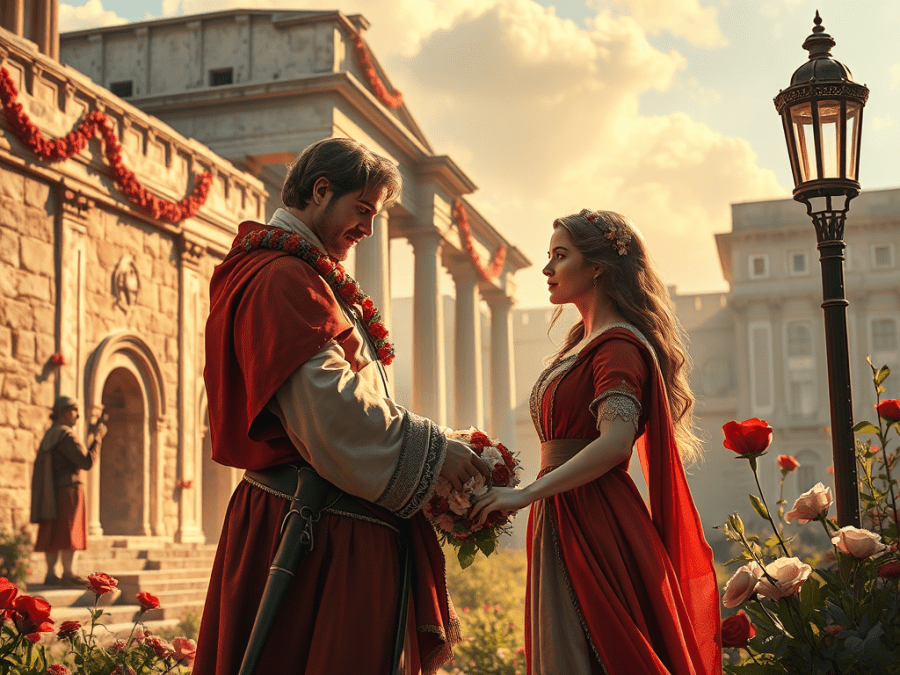

Valentine’s Day has a fascinating and complex history that blends ancient Roman traditions with Christian martyrdom and medieval romantic customs. The origins of this day can be traced back to the ancient Roman festival of Lupercalia, a celebration held in mid-February. This festival honored fertility and the coming of spring through rituals meant to ward off evil spirits and promote health and fertility.
As Christianity spread, the figure of Saint Valentine emerged, further shaping the day’s meaning. According to legend, Saint Valentine was a priest or bishop in the Roman Empire during the 3rd century who secretly performed marriages for soldiers, defying the emperor’s orders that banned marriage. His courageous actions and subsequent martyrdom led to his recognition as a saint, and his feast day was set on February 14.
Over time, the day began to adopt romantic overtones, particularly during the Middle Ages. It was widely believed that February 14 marked the beginning of the birds’ mating season, a notion that contributed to the association between the day and romance. Poets and writers of the era further popularized the idea of courtly love, cementing Valentine’s Day as a celebration of romantic affection.
Today, what began as a blend of ancient rituals, martyrdom, and medieval romance has evolved into the modern celebration of love we know now. The exchange of handwritten notes, tokens of affection, and, later, mass-produced cards and gifts, all highlight the day’s enduring legacy as a time to celebrate love in all its forms.
Discover more from Tony Acree
Subscribe to get the latest posts sent to your email.
 Tony Acree